Is underbody rust protection necessary for a new car? Benefits and what to know before deciding
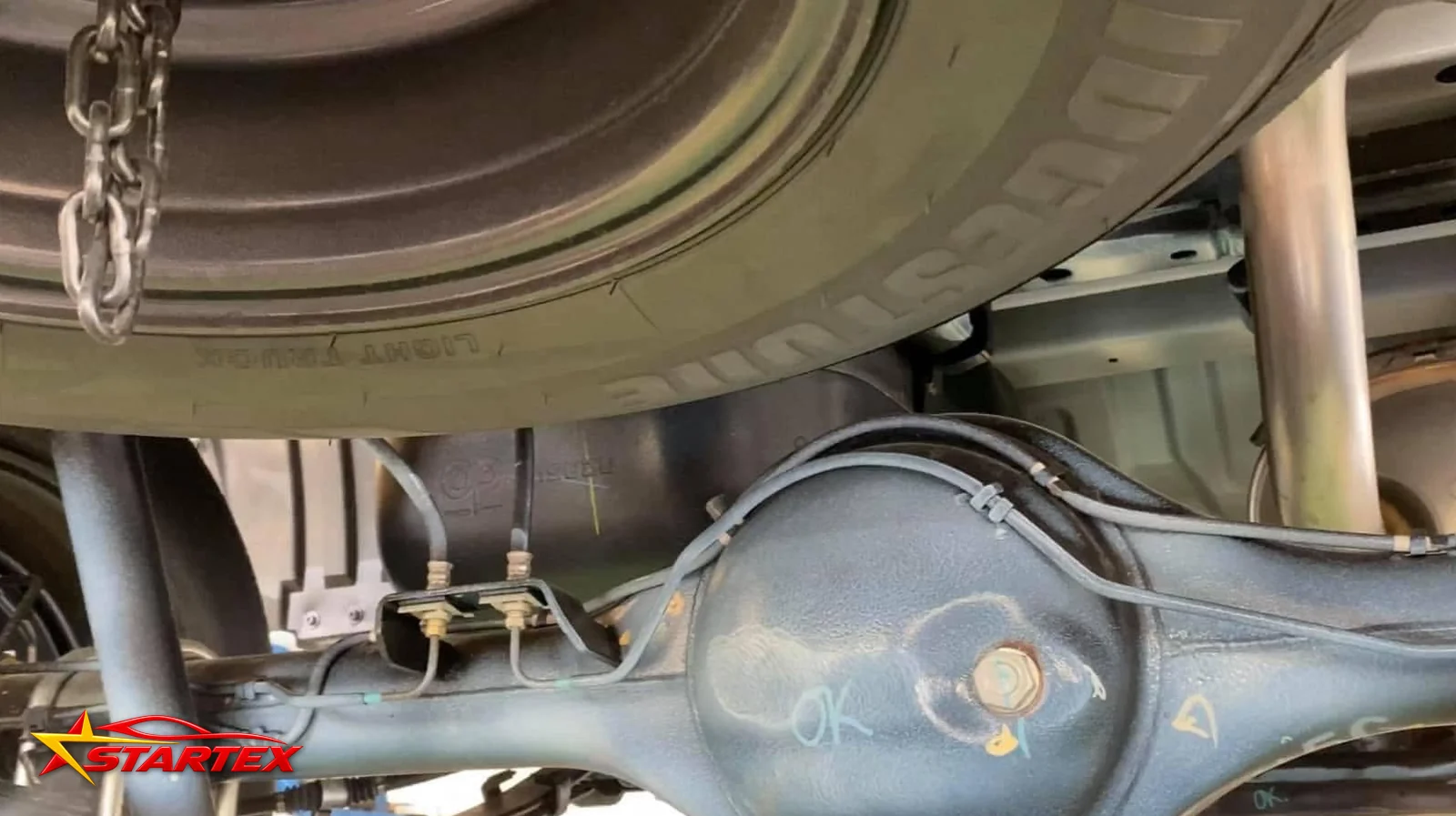
It is not mandatory, but it is well worth it for cars near the sea, cars that often drive through floods or rain, cars on gravel roads and owners who plan to keep the car for many years. The best time is when the car is new, because the surface is clean and rust-free. Some coatings also reduce underbody noise and seal against leaks.
Why does the underbody rust so easily?
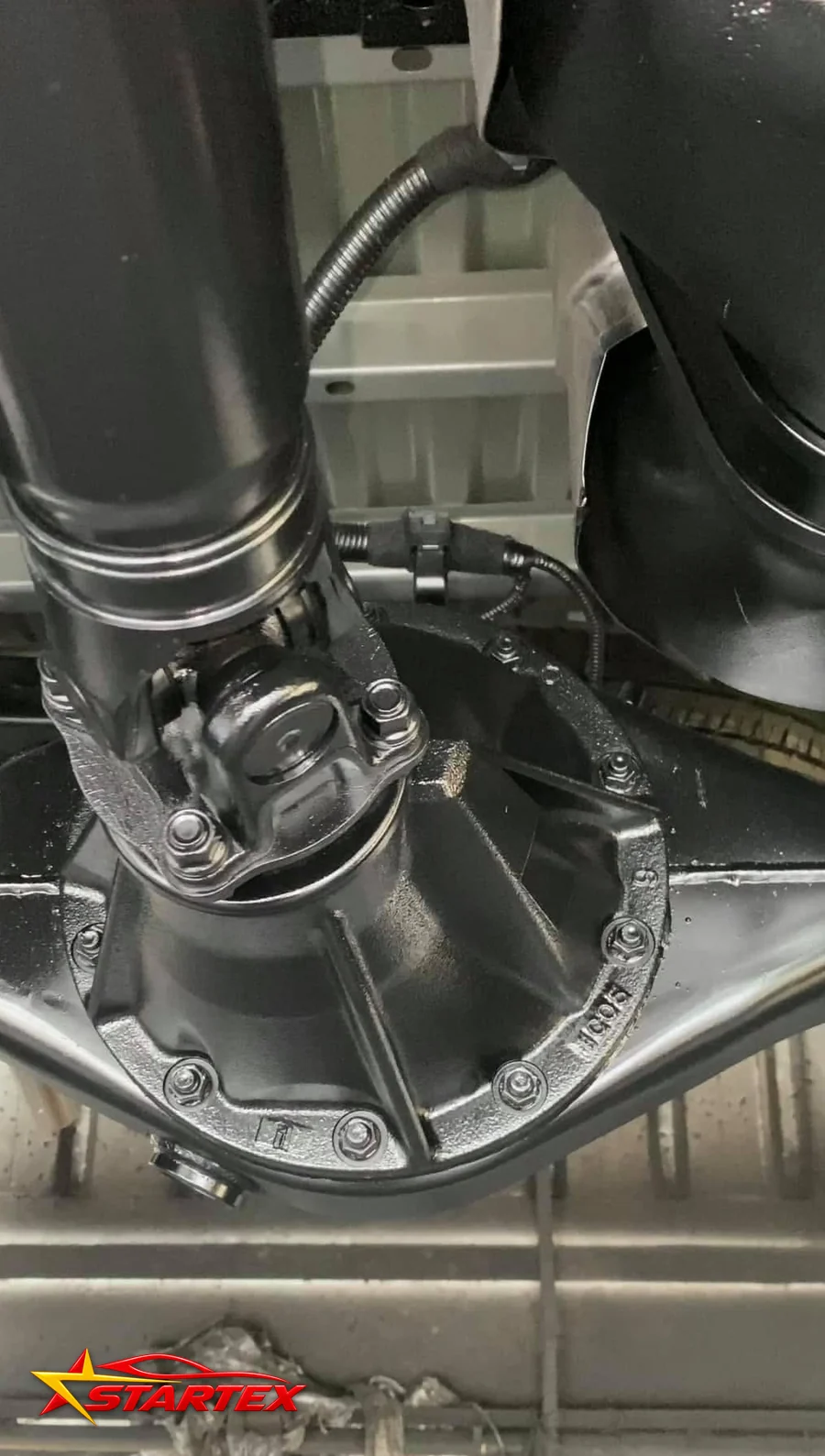
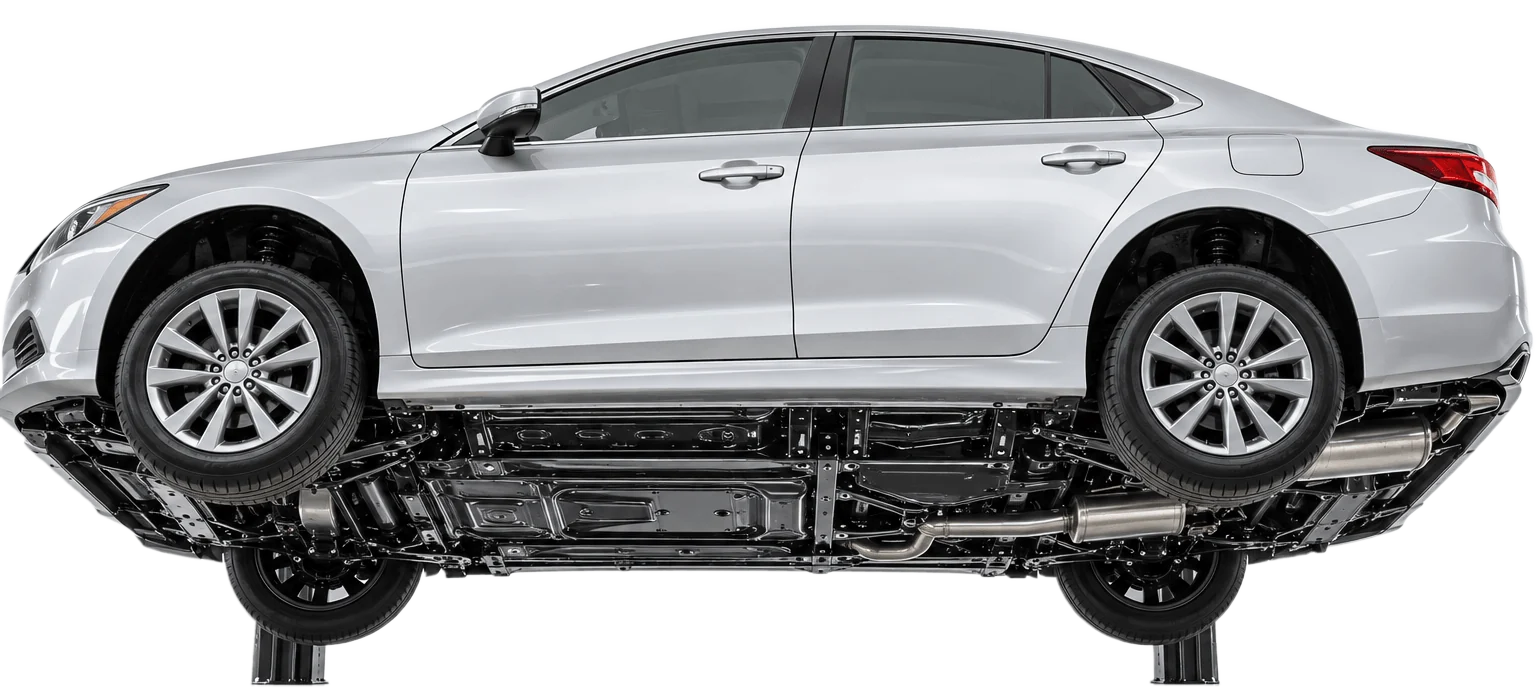
The underbody faces water, moisture, mud and flying stones every time you drive. When the original paint or coating is chipped, the metal is exposed to water and air, so rust starts in small spots in gaps and seams before spreading.
Which cars should get rust protection?
- Cars parked or driven near the sea, where salt air speeds up rust
- Cars that regularly drive through floods, heavy rain or gravel roads
- Pickups and work vehicles whose underbody often takes dirt and stones
- Owners who plan to keep the car for many years and want to preserve the chassis
Why do it while the car is new?
A new car has the cleanest surface and no rust yet, so the coating adheres well and protects from day one. Most cars leave the factory with some protective coating already; adding more reinforces protection where water, stones and dirt hit directly.
Benefits beyond rust protection
- Less underbody noise Helps reduce stone chip and road noise entering the cabin.
- Leak sealing The film seals surfaces and seams, reducing water seepage.
- A new-looking underbody Gloss Black or Matte Black makes the chassis look tidy.
What to know before deciding
Results depend on both the coating and the application. Choose a coating with clear technical data, test results and a warranty, and a center that prepares the surface properly before spraying.
Frequently asked questions
Looking for a water-based anti-rust coating for your service center?
Talk directly to the factory for volume pricing or OEM manufacturing under your center's brand.
Request a quote